


The birds of the Isle of Man
Spotted something, concerned about a bird or just here to learn? You’re in the right place.
Explore …


Habitats & species
Agricultural land
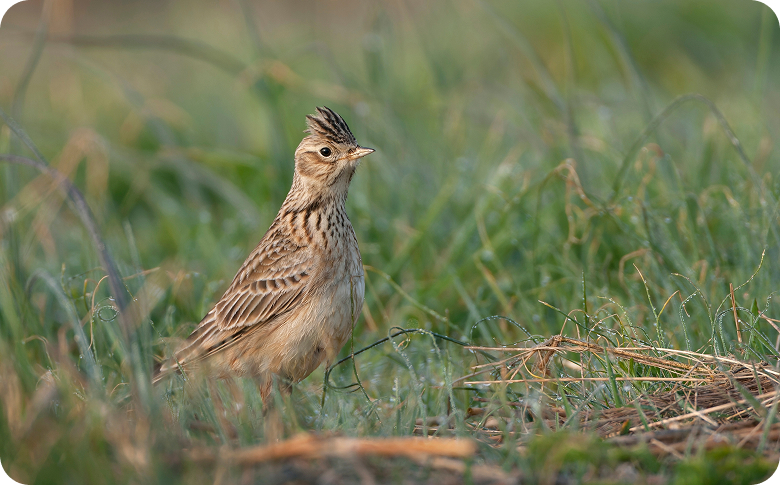
Improved farmland holds species such as Whitethroat, Starling, Pied Wagtail and Rook, while species vulnerable to intensification and changing farming methods, such as Grey Partridge, Tree Sparrow and Skylarks, are declining. Hen Harrier, Golden Plover, Redwing and Fieldfare all use the fields in winter. Ground seed-eating birds are in serious decline with Corn Bunting long gone and Yellowhammer on the verge of extinction on the island.
Uplands
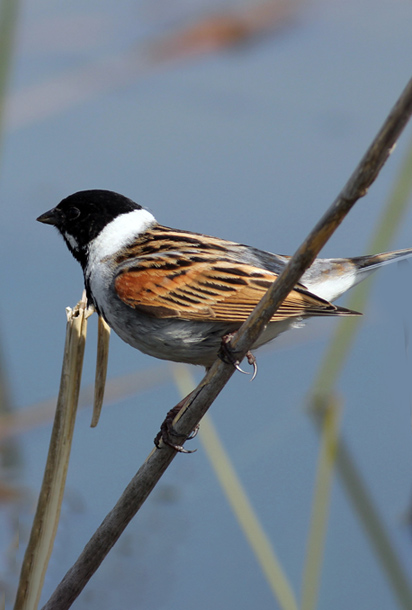
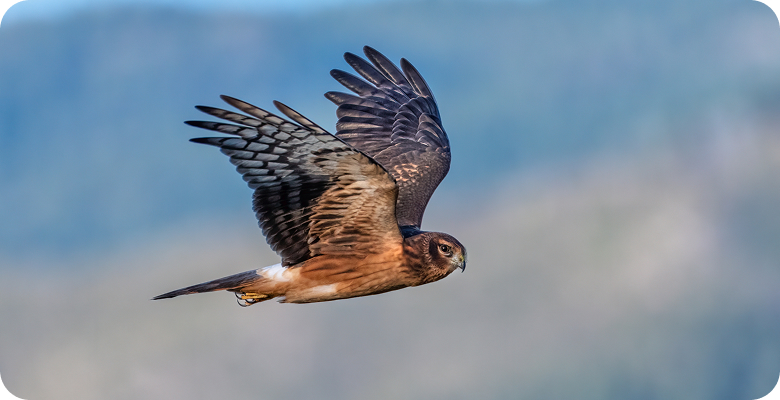
A small population of Red Grouse clings on in the heather-carpeted hills, alongside Northern Wheatear, Meadow Pipit, Stonechat, Reed Bunting and Hen Harrier. In winter these are joined by Jack Snipe and the occasional Merlin. Grassy uplands provide a home to Hooded Crow and Curlew, with Herring Gulls nesting on the bare summit of Sartfell at 450m.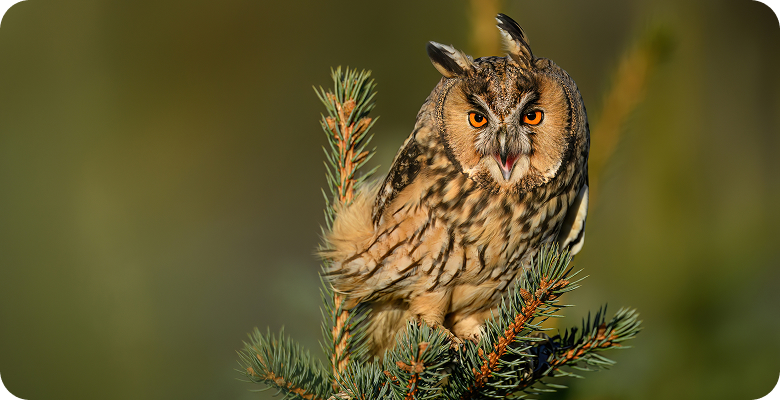
Woodlands
The deforestation of Ancient woodlands has deprived the island of species such as Bullfinch, Jay and Nuthatch. Reforestation with extensively coniferous tree species has led to strong populations of Goldcrest, Siskin and Coal Tit becoming established, as well as the occasional Crossbill and Long-eared Owl. More enlightened replanting and management of broad-leaved tree species provides a foothold for Woodcock, Lesser Redpolls and Sparrowhawks. Small populations of Tawny Owl and Great Spotted Woodpecker appear to have become established in recent years.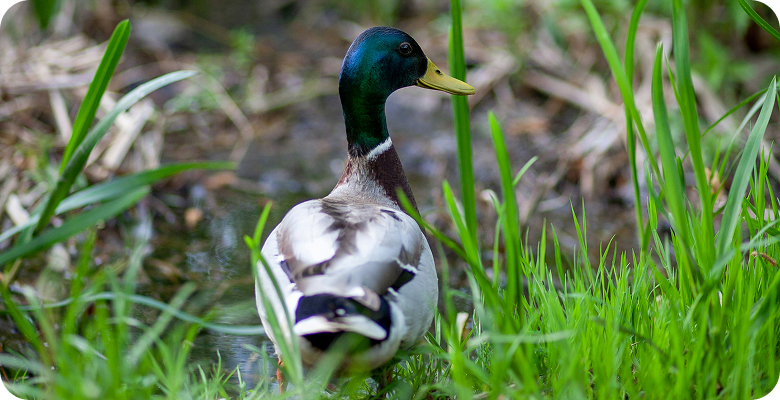
Water bodies
The island lacks nutrient-rich, shallow water bodies. There are a number of nutrient-poor, deep water bodies which support small numbers of Mallard, Tufted Duck and Moorhen which are joined in winter by Snipe, Wigeon, Goosander and Teal. Fast-flowing, stone-bottomed rivers support Grey Wagtails.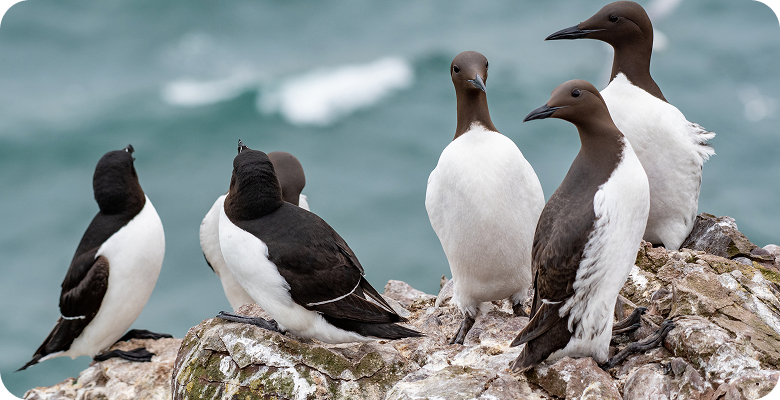
Coast & sea
From the soaring southern cliffs, to the gentle shingle and sand beaches of the north, the coast is undoubtedly one of the island’s greatest natural assets. Colonies of Razorbill, Guilliemot and Kittiwake mingle with Peregrine, Fulmar and Raven. Gannets are regular offshore. Manx Shearwater can be found during the summer and autumn rounding the Point of Ayre at surprisingly close range. On summer evenings rafting flocks of these pelagic wanderers can be seen on the sea off the south of the Island.
The Manx Chough population is the second largest in the British Isles with sizeable groups being seen along the southern cliffs, beaches and coastal fields. In winter, flocks of Purple Sandpiper can be found in the splash zone of the southern rocky coastline.
Towns & villages
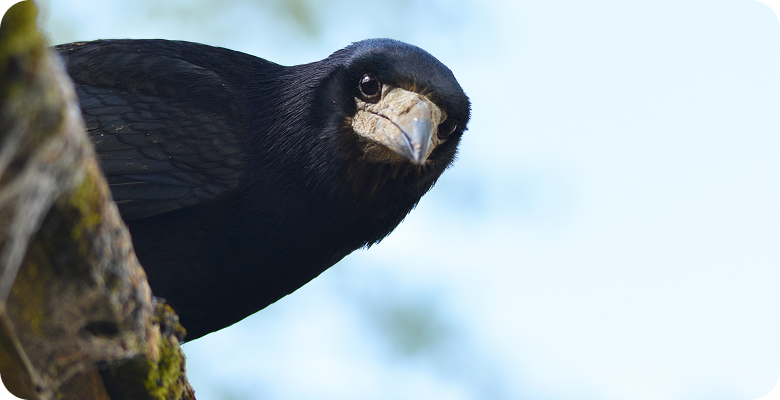
Built-up areas cover four per cent of the island. Jackdaws and Rooks are a common sight in urban areas, though Common Swifts and House Martins are increasingly scarce. Two of the three largest towns, Peel and Douglas, host numbers of Black Guillemots in their marinas and harbours. These charismatic auks are at their most confiding in the Isle of Man and provide great entertainment with their comings and goings.
Please support our vital work


